
Numbers, forms and a queue ticket
Tax office registration and invoicing basics
For residents who work as employees, taxes are usually handled by the employer. For anyone planning to freelance or open a small business, though, a visit to the local ANAF office becomes part of the settling-in process. Here is what that visit and the paperwork afterward tend to involve.

When you walk in for the first time
Most first visits start the same way: a numbered ticket from a machine near the entrance, a wait that can range from a few minutes to an hour depending on the day, and eventually a counter clerk who asks for your identity document and residence permit. From publicly available ANAF guidance, registration for tax purposes generally requires a completed declaration form matched to your situation, whether that is registering as an individual taxpayer, opening a PFA (an authorized individual activity), or registering a company.
Clerks commonly ask for proof of address, such as a rental contract, and may request supporting paperwork depending on the type of registration, for example a description of the freelance activity being declared. Appointments are not always required, but arriving earlier in the day tends to mean a shorter wait, and bringing photocopies rather than relying on the office to make them saves time.
Fiscal identification numbers, once issued, become the reference point for every future filing. Losing track of that number, or of login details for ANAF's online portal, is a common and avoidable source of delay later.
When the first client asks for an invoice
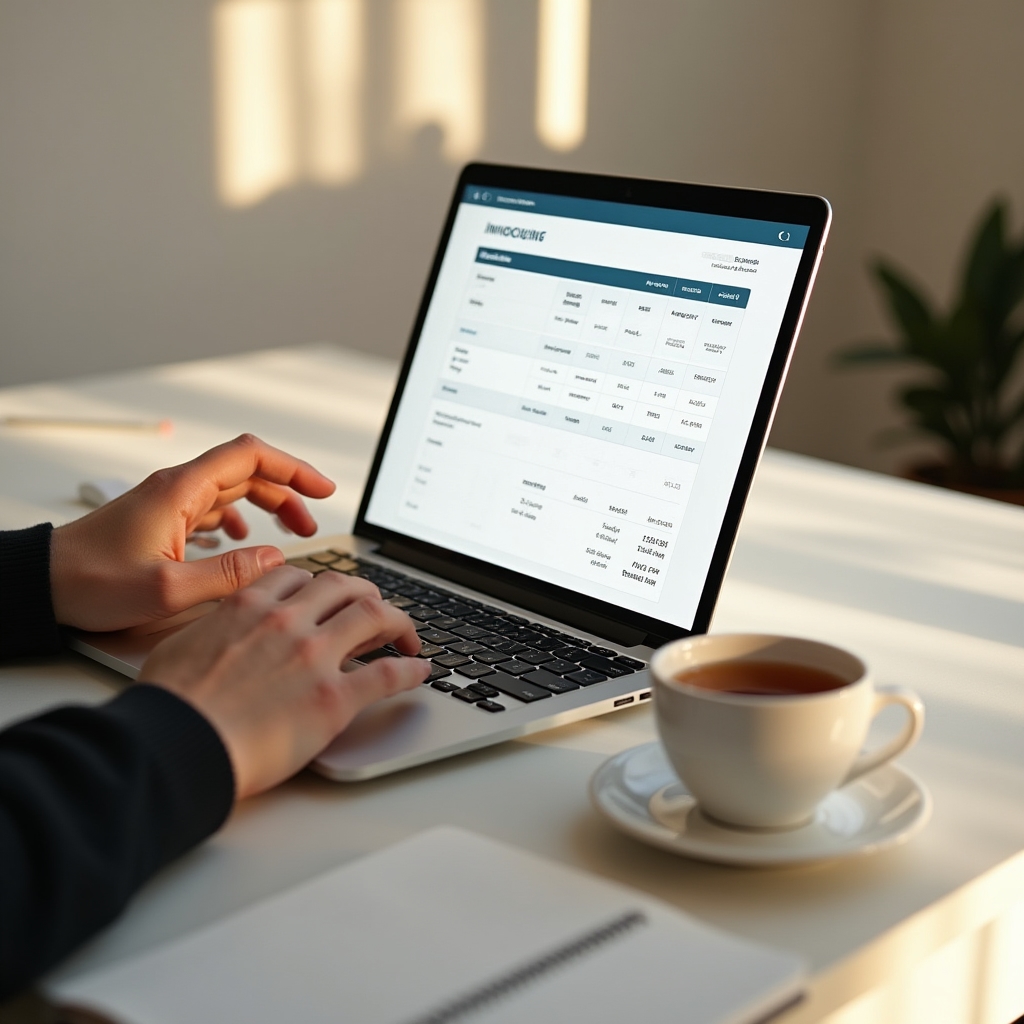
Say the PFA registration went through and the first client contract is signed. The invoice itself needs a few standard elements: a sequential invoice number, the issuer's fiscal details, the client's details, a description of services, the amount, and the applicable tax treatment. Depending on annual turnover, VAT registration may or may not apply, and the relevant thresholds are published by ANAF and worth checking directly rather than assumed from general reading.
Romania has also moved much of its invoicing infrastructure onto e-Factura, a national electronic invoicing system. Many freelancers and small businesses report needing to issue invoices through this system or a connected accounting tool, rather than a simple document sent by email, depending on the client and the nature of the transaction.
Keeping a monthly rhythm, whether that means a spreadsheet or dedicated software, tends to make quarterly declarations far less stressful than reconstructing a year of invoices in April. An accountant familiar with freelance taxation is, for most people, worth the modest monthly cost.
Still working through the residence permit stage?
The onboarding guide covers what typically comes before tax registration, from document folders to your first apartment lease.
Back to the onboarding guide